
Billet aluminum engine covers
A billet aluminum engine cover must clear the hardware beneath it while retaining the exterior contour. Mounting locations, any seal interface and neighboring components guide machining and finishing.
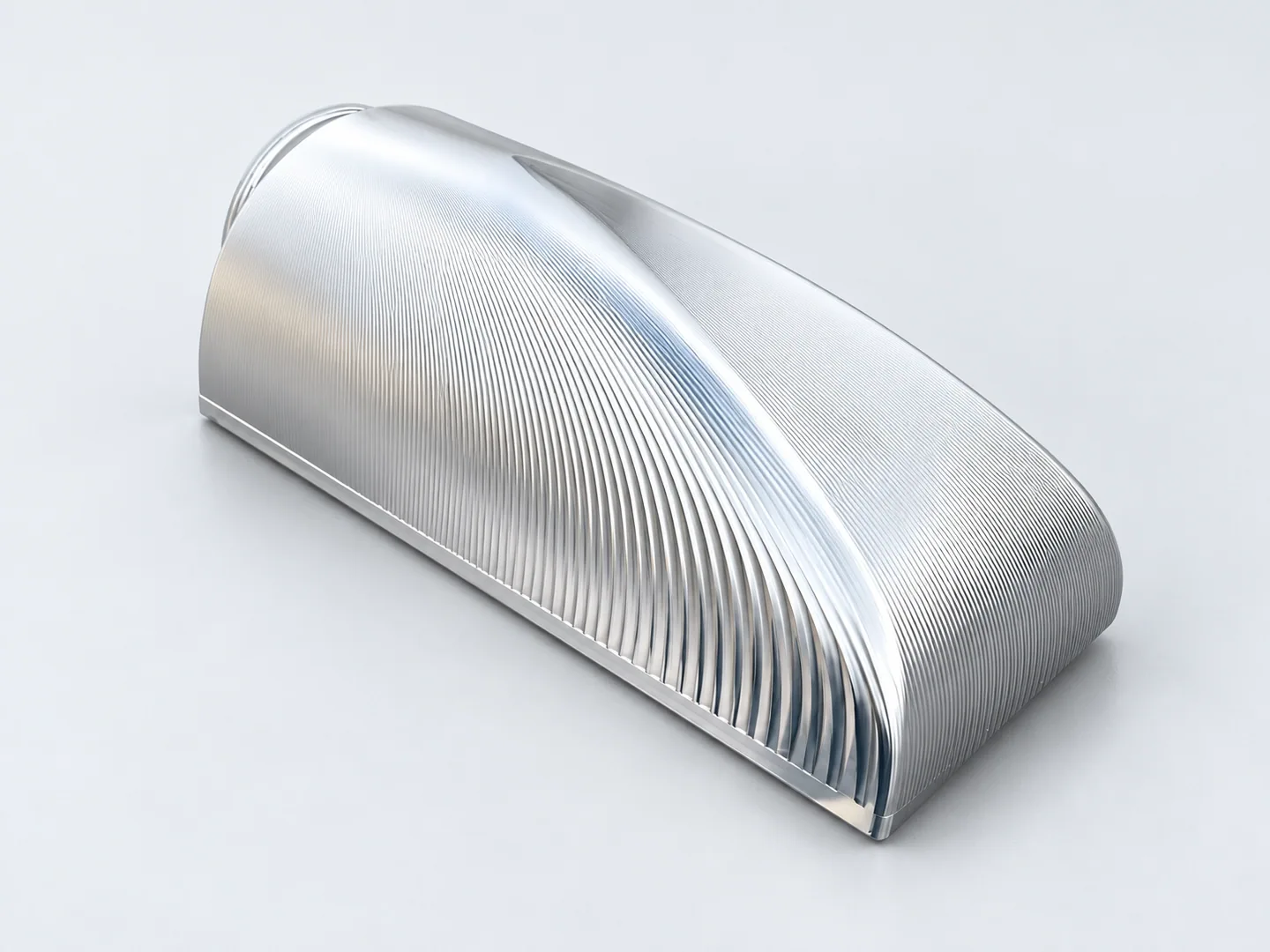
The visible shell and hidden underside
Sections through the underside pocket and wall let us check installation clearance against the mating geometry. The drawing also identifies the locating rim or mounting face and any sealing area.
| Feature | Drawing requirements | Acceptance checks |
|---|---|---|
| Clearance & seal interfaces | Define the underside and visible cover contour, fastener access, and hood, camshaft and sensor clearances. If the design uses a gasket or seal, provide its interface, mating-face geometry and clearance requirements. | Mating clearances and seal-face geometry. |
| Appearance & fitted surfaces | Mark cosmetic faces and acceptable tool-path texture. Specify the anodized or polished finish with an appearance reference. Agree masked-fit and final-dimension checks before approval; assess outer-contour appearance separately from mating-face dimensions. | Appearance and post-treatment fitted dimensions. |
| Wall sections & mounting datums | Show wall sections, critical features, mounting datums and mounting-pattern checks. Review achievable limits and measurement methods for the material, geometry, workholding and finish before the order is confirmed. | Include mounting-pattern checks; assess outer-contour appearance separately from mating-face dimensions. |
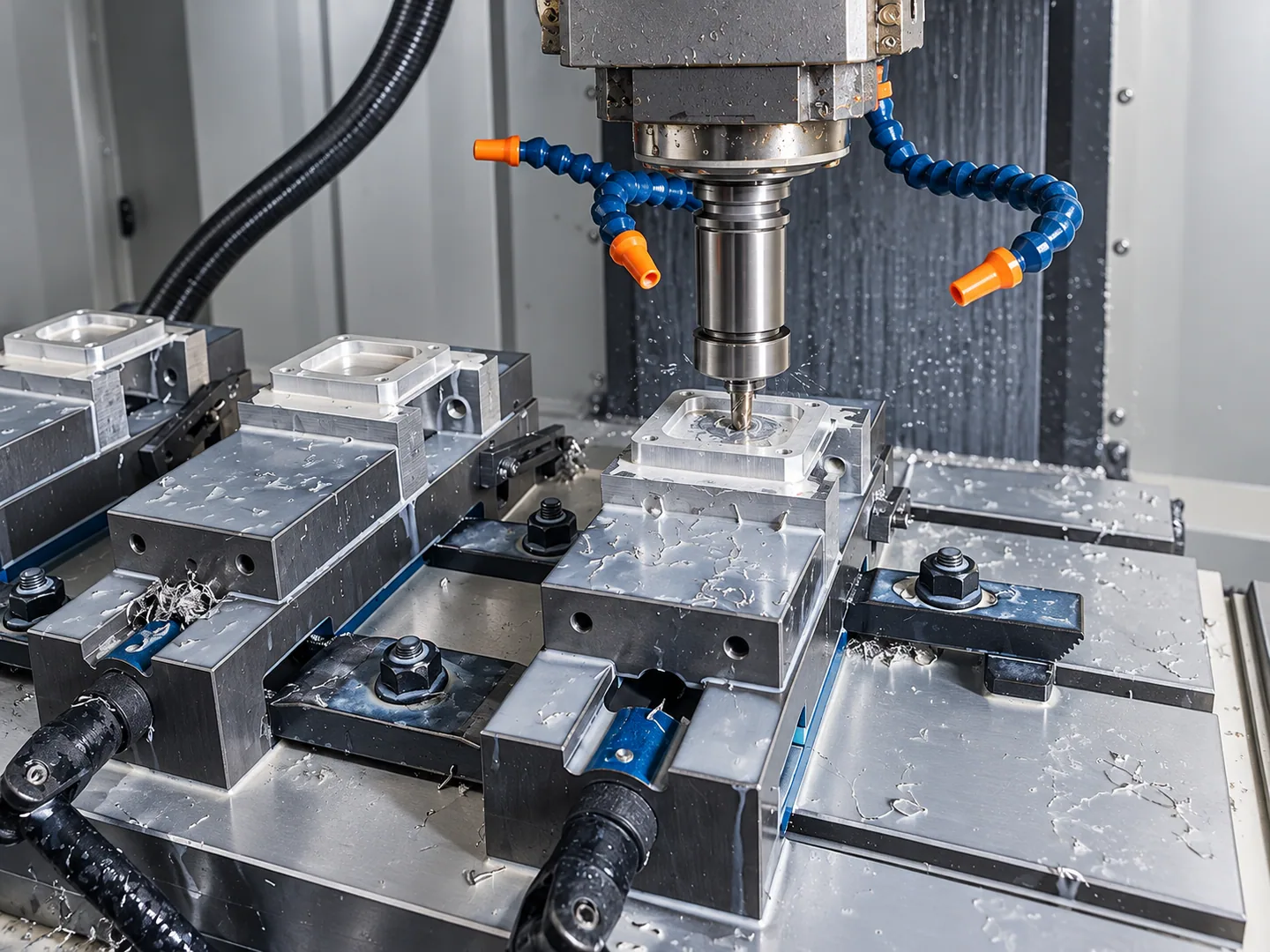
Supporting a curved cover during machining
We review access to the underside before planning the curved exterior. Holding surfaces and support must accommodate the wall sections and leave the mounting features accessible.
Mark which exterior tool texture is acceptable and which areas need subsequent finishing. If a seal is required, give the surface condition and test criteria for that interface independently of the cosmetic finish on the outside.
For prototypes and small batches, the cover model is assessed for machining from solid billet with a 5-axis route and ball-nose toolpaths.
Use these forms as engine-cover and automotive development references. Requirements for the actual application come from your drawing.
Related machining and part forms
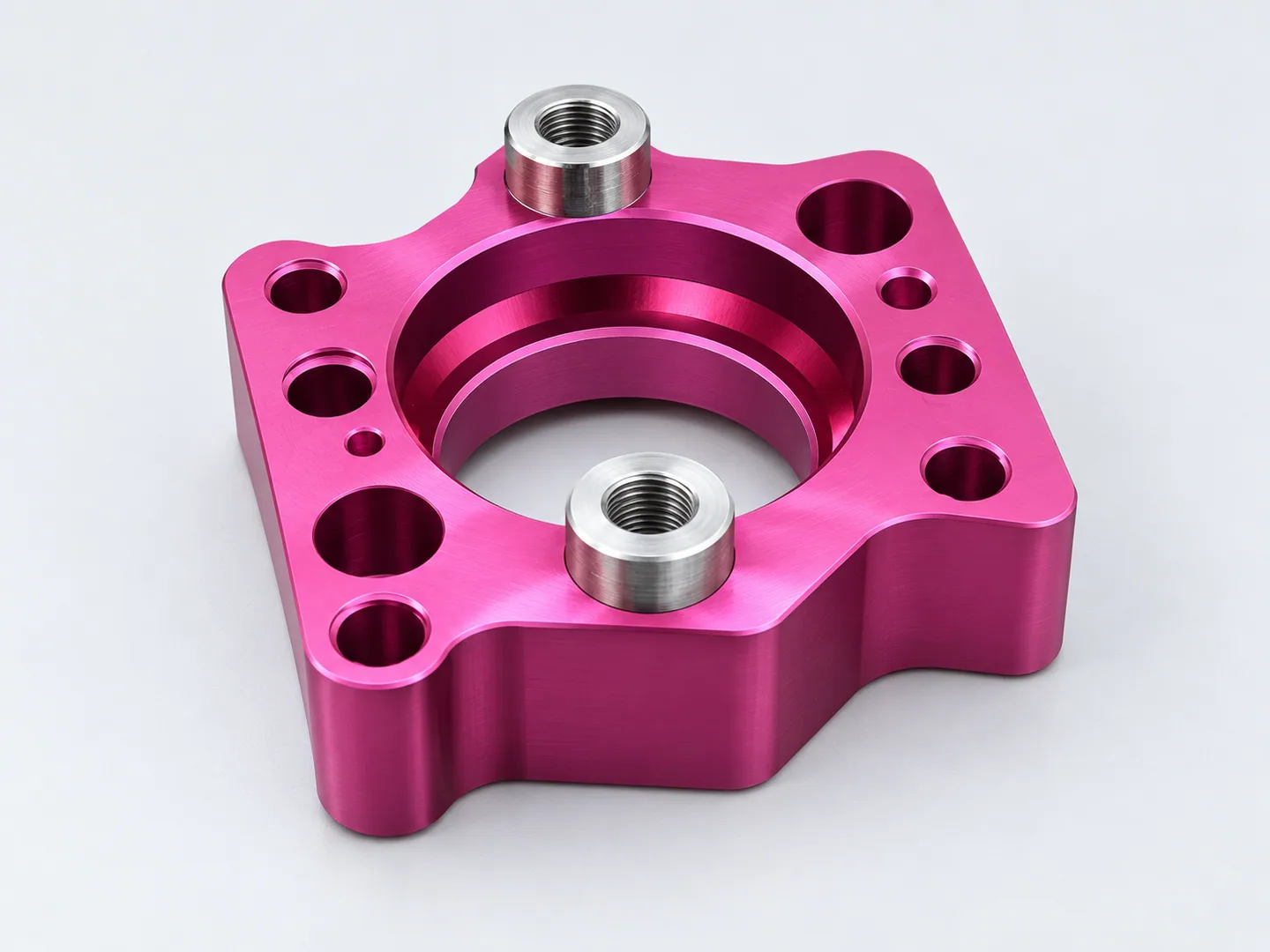
Structural & aesthetic components
Structural and visible components cover mounting features and outer contours more broadly. Engine covers also require the underside and installation envelope.
Request a quote for your part
- Mating envelopeControlled model and drawing revision, adjacent-component clearances, fastener access and any seal interface.
- Material & orderAlloy and temper, finish and appearance requirements, quantity and delivery destination.
Tell us how the part will be accepted, including measurement methods, its condition at inspection, sampling and report format.