
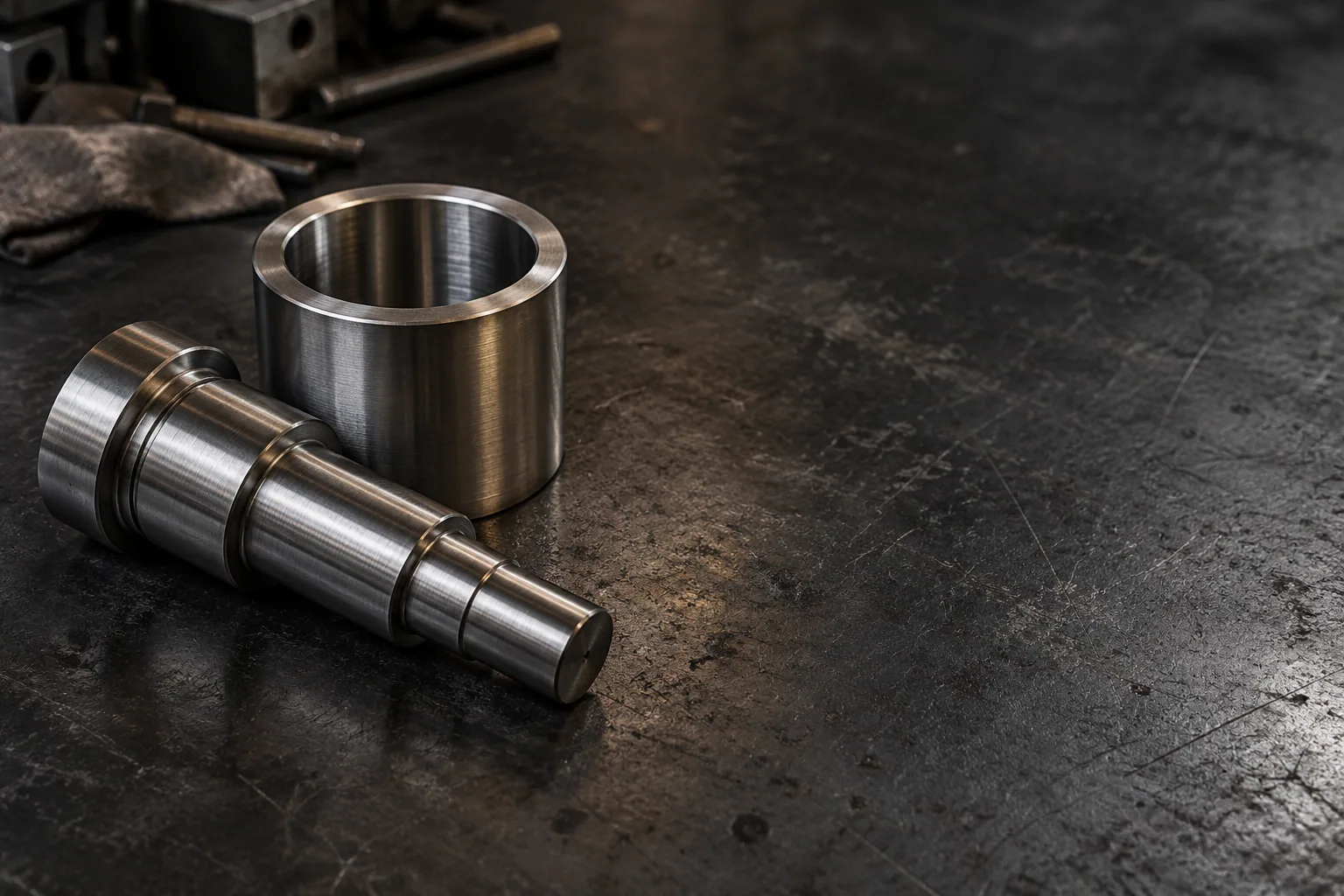
Stainless Steel CNC Machining
We machine stainless steel shafts, fittings and locking components. We review the grade and finished condition against the service environment and mechanical loads, then plan the cutting process for that material.
ISO 9001 certifiedMade to your drawing · Hangzhou, China
Shafts, fittings & locking hardware
Working diameters and mating surfaces control the fit of a shaft, flange or locking pin. Grade and condition affect how we machine them. Corrosion exposure, wear and assembly requirements determine the final surface specification. Locking hardware also needs its pin fits and any separate functional requirements defined.
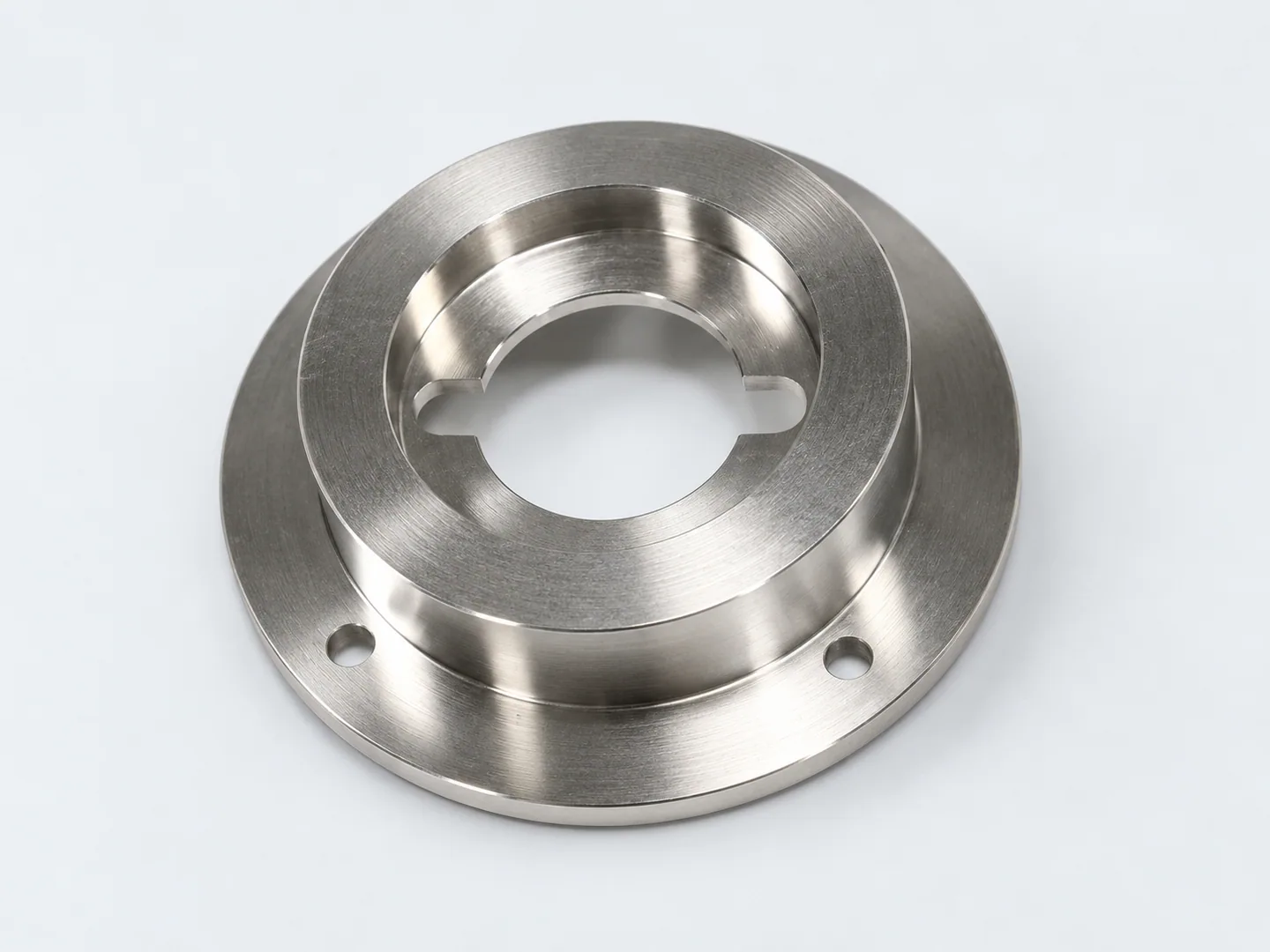
Flanged turned component assemblies
Flanged faces, coaxial bores, mounting holes and the supplied component scope.
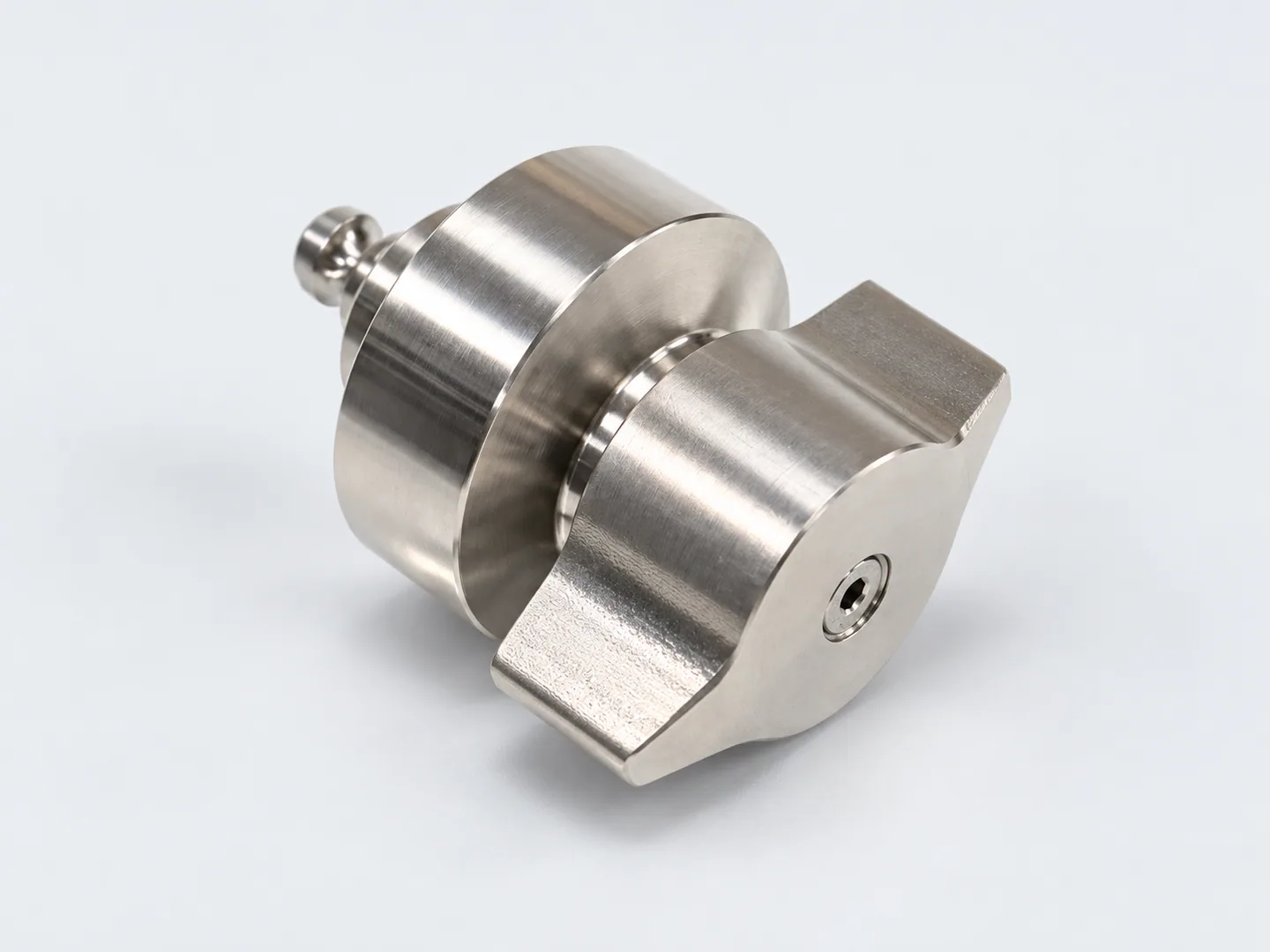
Rotary components & mounting flanges
A rotary form with a separate flange and direction markings. Define bore axes, mounting pattern and supplied scope.
Choose the grade and treatment state
304 is a starting point for many general corrosion requirements; 316 and 316L are candidates when the exposure calls for a more corrosion-resistant grade. The actual medium and temperature still determine suitability. Machinability, hardness and any heat treatment, passivation, electropolishing or cosmetic finish are reviewed alongside that choice.
- A fitting exposed to moisture or chemicals
- Compare 304 with 316 / 316L for the exposure
- 316-family grades are candidates for more demanding corrosion requirements. Medium, concentration, temperature and surface condition still set the limits; the grade name alone is not an approval for the environment.
- Many threads, small features or deep bores
- Machinability alongside service requirements
- Stainless grades and conditions behave differently during cutting. Tool access, work hardening and deburring can affect the route, so machining convenience is one part of the material choice.
- A fitted shaft, locking pin or treated surface
- The condition at final acceptance
- Hardness, mating dimensions and surface treatment need a compatible sequence. The finished part is checked at the stage specified on the drawing, with functional requirements agreed separately.
| Material / scope | Specification | Finish / treatment | Confirm for this drawing |
|---|---|---|---|
| 303 / 304 | Examples include SUS303 and SUS304. | Fine turning, polishing or specified passivation. | Confirm grade, condition, thread requirements and material records. |
| 316 / 316L | Specify SUS316 or SUS316L explicitly. | Polishing, passivation or electropolishing as specified. | Identify sealing surfaces and post-treatment dimensions. |
| 17-4PH | Specify the required heat-treatment condition. | Agree machining and surface-treatment sequence. | Define final dimensions and the required material condition. |
| Other stainless grades | SUS430 and SUS440; specify the exact designation. | Treatment reviewed against the selected grade. | Review operating conditions and acceptance requirements. |
Locate the working features from the datum axis
The bore, shoulders and fitted diameters share an axis. Turning establishes these round features; secondary milling adds flats or holes. The locating scheme must preserve their relationship through each operation.
Workholding and final condition
Stock dimensions and clamping access affect how the working diameters can be held. Surface treatment can add another stage before final acceptance, so the drawing identifies the surface condition, measurement stage, burr limits and required records.
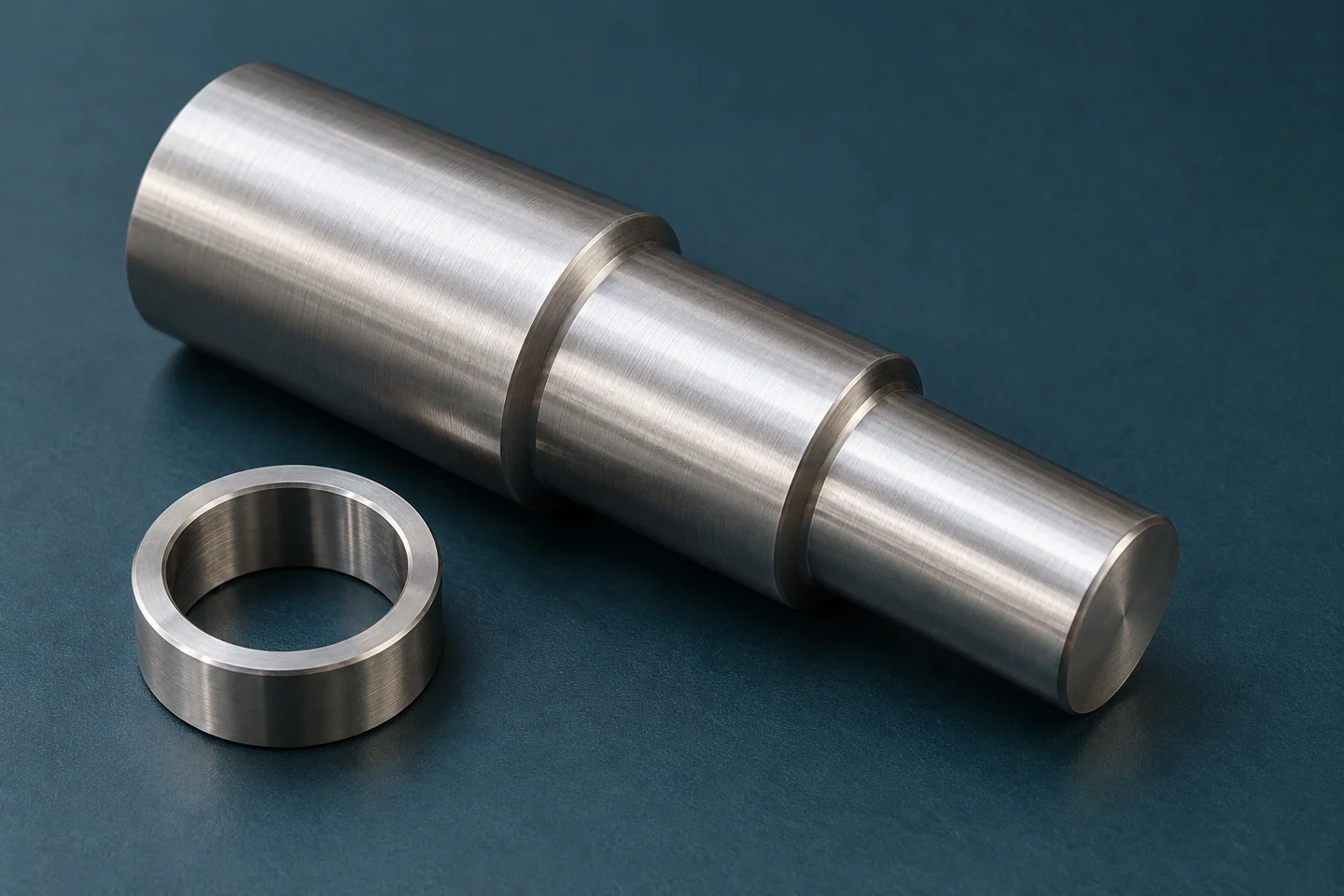
Verify diameters, threads and treated surfaces
Assembly datums locate runout, diameter and thread checks. Identify surfaces where burrs or handling marks are unacceptable; the production agreement sets the measurement method and records.
| Feature | Specify on the drawing | Agree before production |
|---|---|---|
| Diameters & runout | Datum axis, fitted diameters, shoulders and geometric controls. | Locating setup, measurement methods and recorded diameter or runout results. |
| Threads & sliding features | Thread designation, engagement, grooves, sealing or sliding surfaces and mating components. | Confirm thread gauges, fit checks, burr limits and permitted handling marks. |
| Treatment & documentation | Grade, condition, heat treatment and surface-treatment specification. | Define post-treatment dimensions and required material or process records. |
Request a stainless steel quote
- Current drawing revision, exact grade, condition and service environment
- Working diameters, datum axis, threads and mating-part requirements
- Finish, passivation or electropolishing specification
- Post-treatment dimensions, material records and functional requirements
- Quantity, delivery destination and requested date
You can order from 1 piece. Production takes 7-14 business days after drawing and order confirmation, including finishing. Shipping takes additional time. Your quotation confirms the schedule for the quantity and requirements agreed.
Request a quoteAdd your name, destination country and preferred contact details. Drawings and a message are optional.