
Rotary & cylindrical components
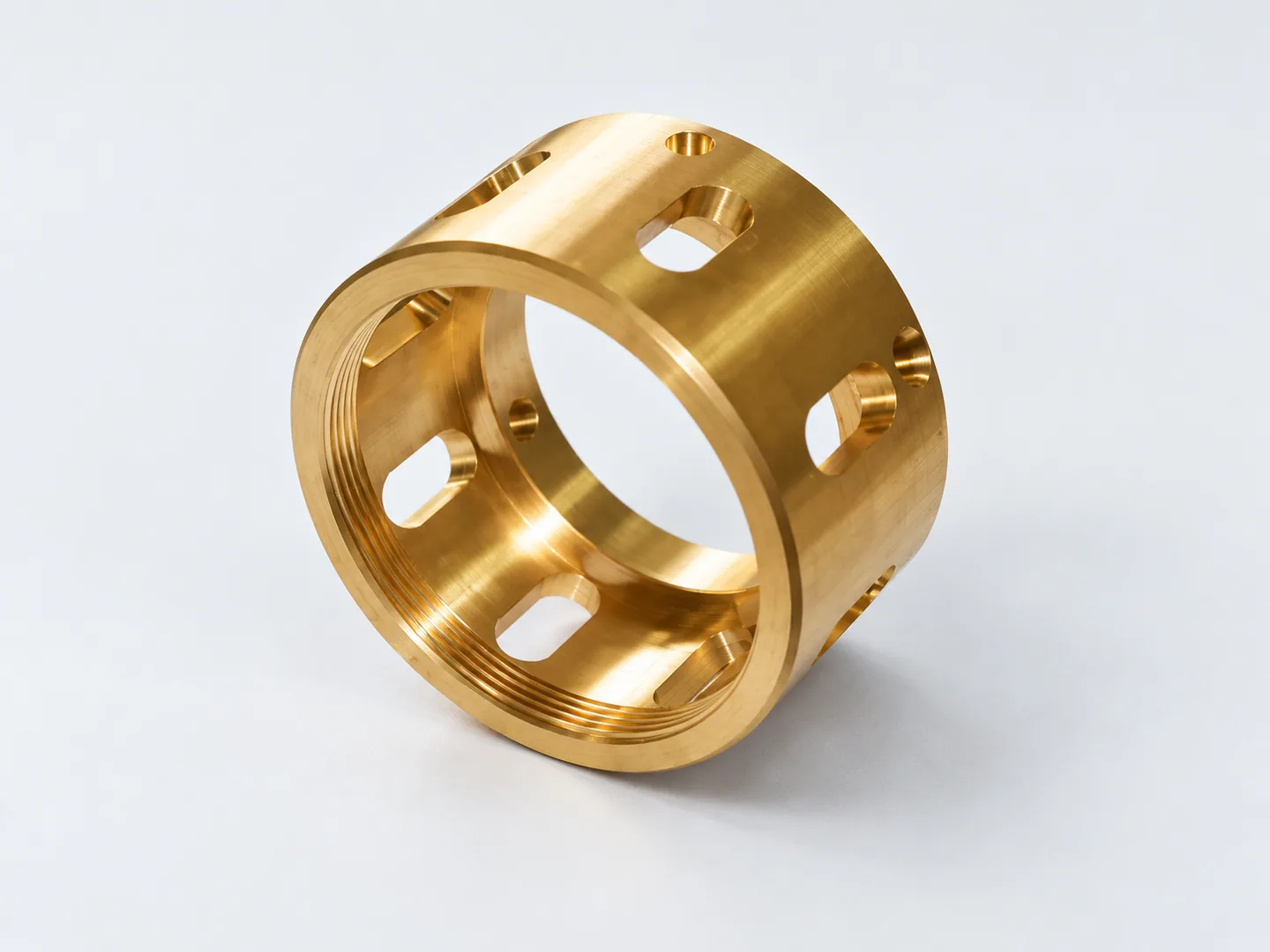
Side openings, flats and cross-holes need an angular reference as well as a working axis. An end face or shoulder fixes axial location; a clocking datum controls orientation.
Choose the component you need quoted and provide its controlled drawing, material and specification.
Clocking the side features to the axis
The turned surfaces share a centerline. A flat, hole or mounting face can set the angular orientation; the drawing identifies that reference and locates the other features from it.
| Feature | Drawing requirements | Acceptance checks |
|---|---|---|
| Coaxial features | The working diameters and central bore share a datum axis. The drawing sets geometric controls, diameters and axial positions. | Diameter and axial-position requirements. |
| Flats & cross holes | Show hidden intersections and locate off-axis features from the turned datums. Specify angles, relative positions and the flats or holes that locate the assembly. | Angular and relative positions. |
| Mating surfaces | Specify fit, thread engagement and surface requirements at assembly interfaces. Set burr and edge limits, particularly where features intersect. | Burrs and edges at intersecting features. |
Locating the cylinder for secondary machining
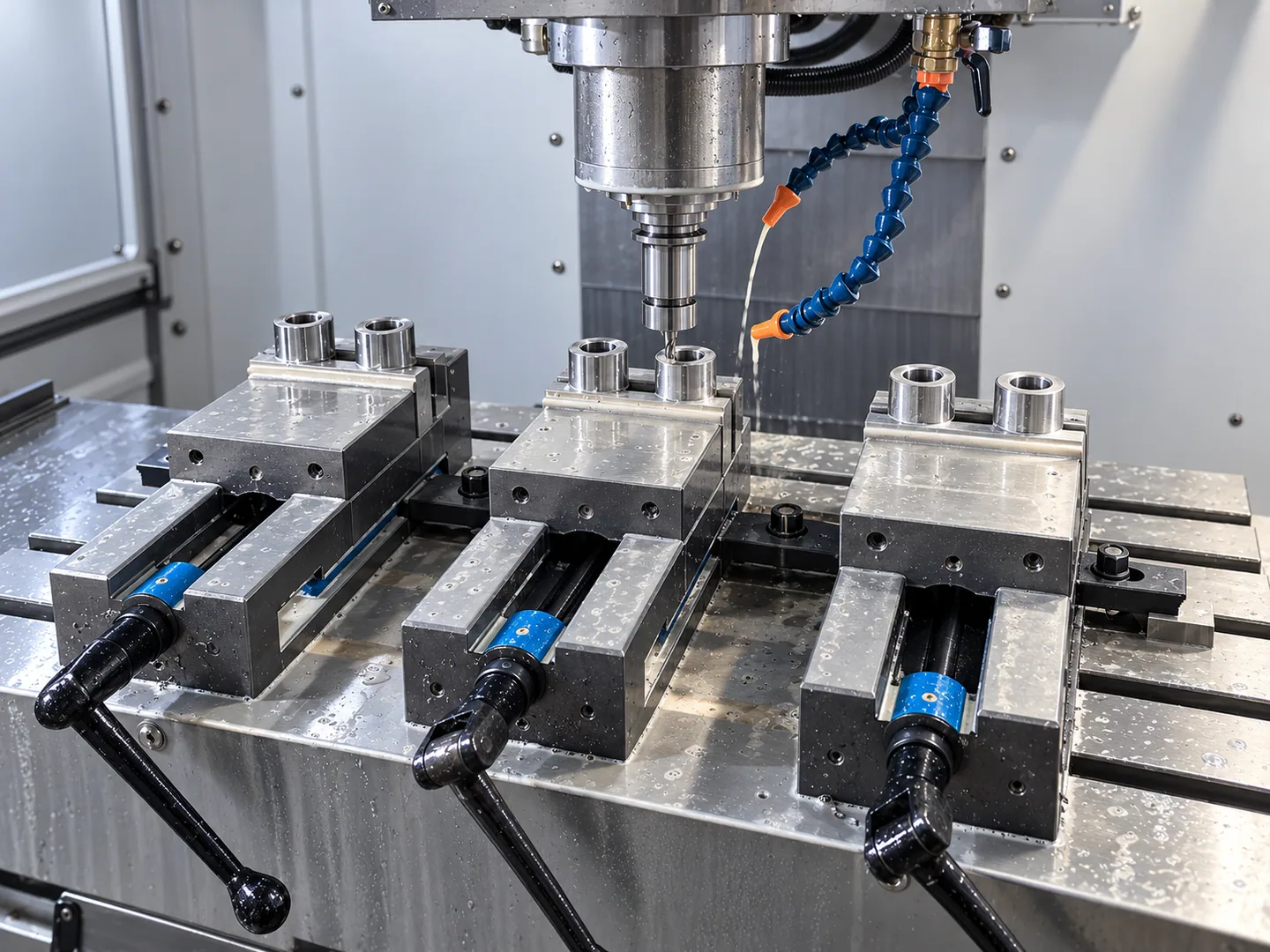
For secondary machining, we locate the turned body along its axis and prevent rotation without blocking the side feature. The finished diameter, end or shoulder stop and clocking reference establish that position together.
For holes that meet a bore, show the intersection and edge requirements in a section view. Define their positions and inspection references from the main axis.
Integrated turning, drilling, threading and milling.
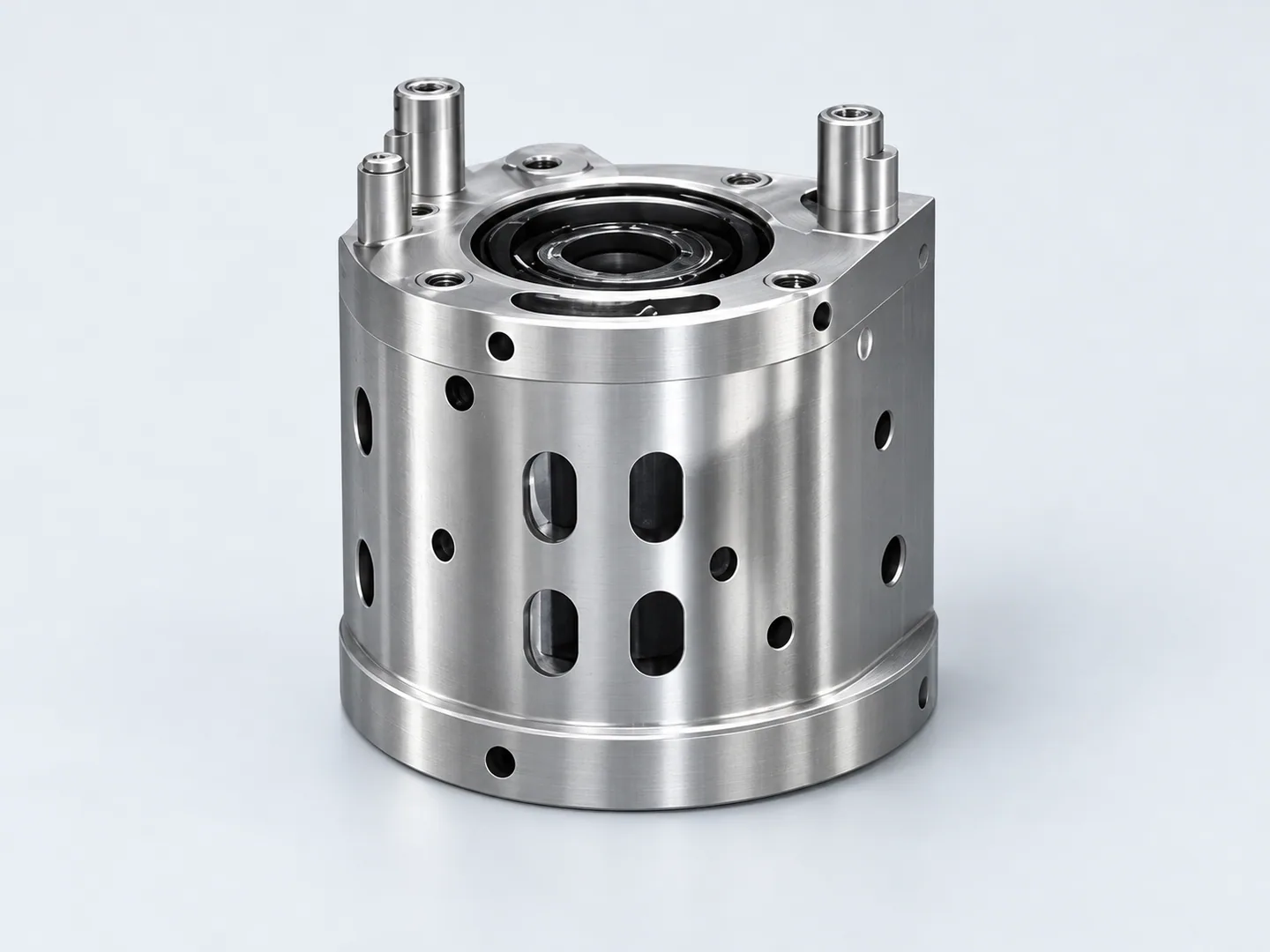
Hydraulic fittings, sensor bodies and rotary components often combine a turned axis with off-axis features. Locate those features from the assembly datums and identify the sealing or mounting surfaces.
Related machining and part forms
Custom CNC-turned components
Turned shafts and sleeves emphasize diameters and axial shoulders. These components also need a clocking datum for side features.
Request a quote for your part
- Model & locationControlled model and drawing revision, including hidden intersections. Identify the flats or holes that locate the component in its assembly.
- Order requirementsMaterial grade and condition, treatment and protected finished surfaces, quantity and delivery destination.
Tell us how the part will be accepted, including measurement methods, its condition at inspection, sampling and report format.