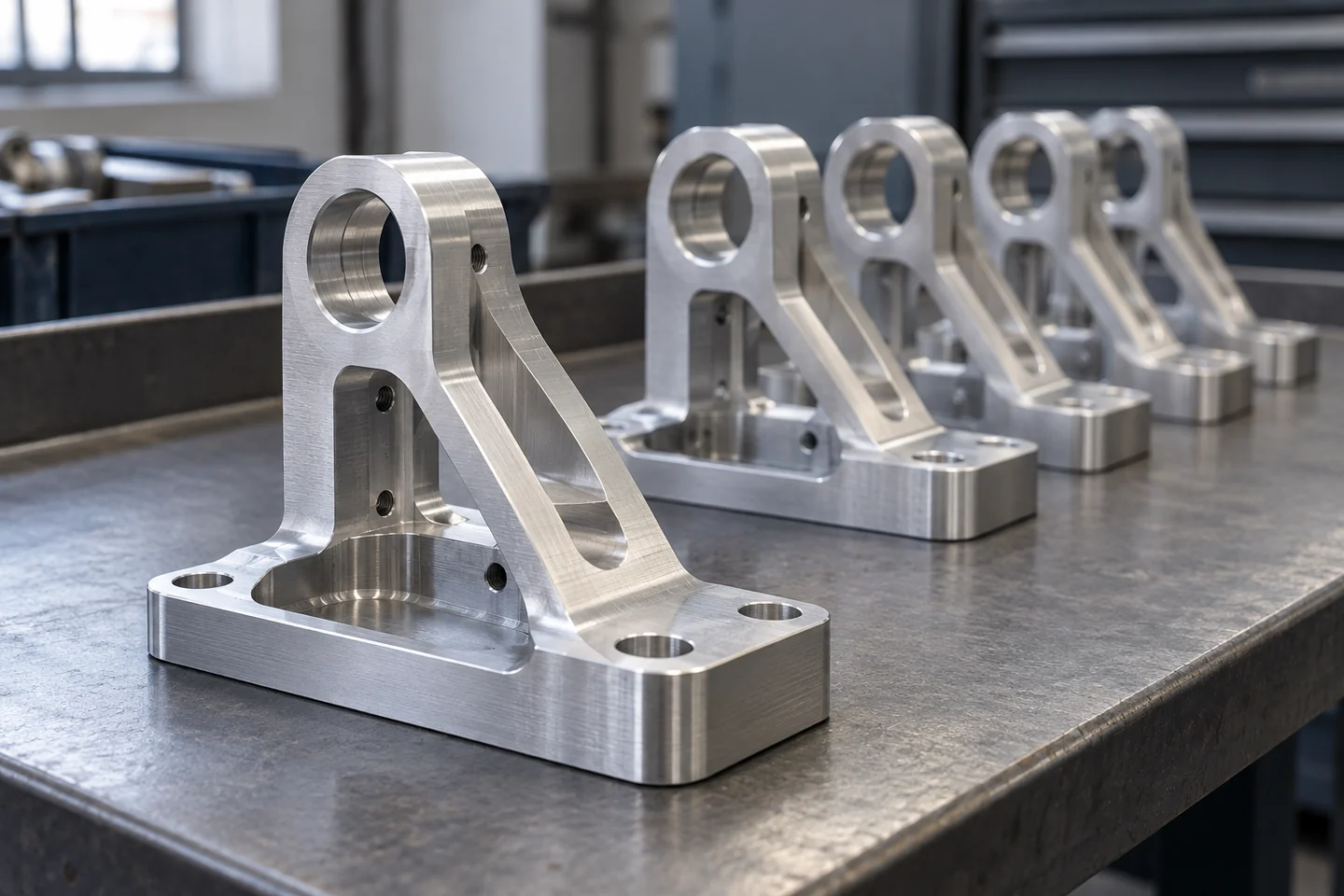
Machined prototype approval
Agree the purpose and drawing revision before evaluating a sample. Record the checks completed, the requirements released for production and anything still open.
On this page
Agree what the sample must prove
A sample may be for assembly fit, appearance, a defined functional check or a combination. The evaluation plan names who supplies mating components, fixtures and test procedures, who performs the checks and who approves the result. Record any difference from production material or finish that limits what the sample proves.
Approving prototype fit before the final finish
An uncoated enclosure sample can confirm clearance around an internal board. It leaves the lid fit, a treated locating bore and finished appearance open wherever those checks depend on the final configuration. Record the accepted board-clearance check separately from those outstanding items.
The approval record should name the accepted checks and the outstanding ones. Where treatment changes a working surface, the anodizing and masking requirements need to be resolved before the corresponding finished interface is approved.
For an indexing plunger, test engagement and withdrawal in the agreed installed position as well as checking dimensions. The mounting arrangement and required movement define that functional trial.
Keep an assembly trial tied to its stated purpose
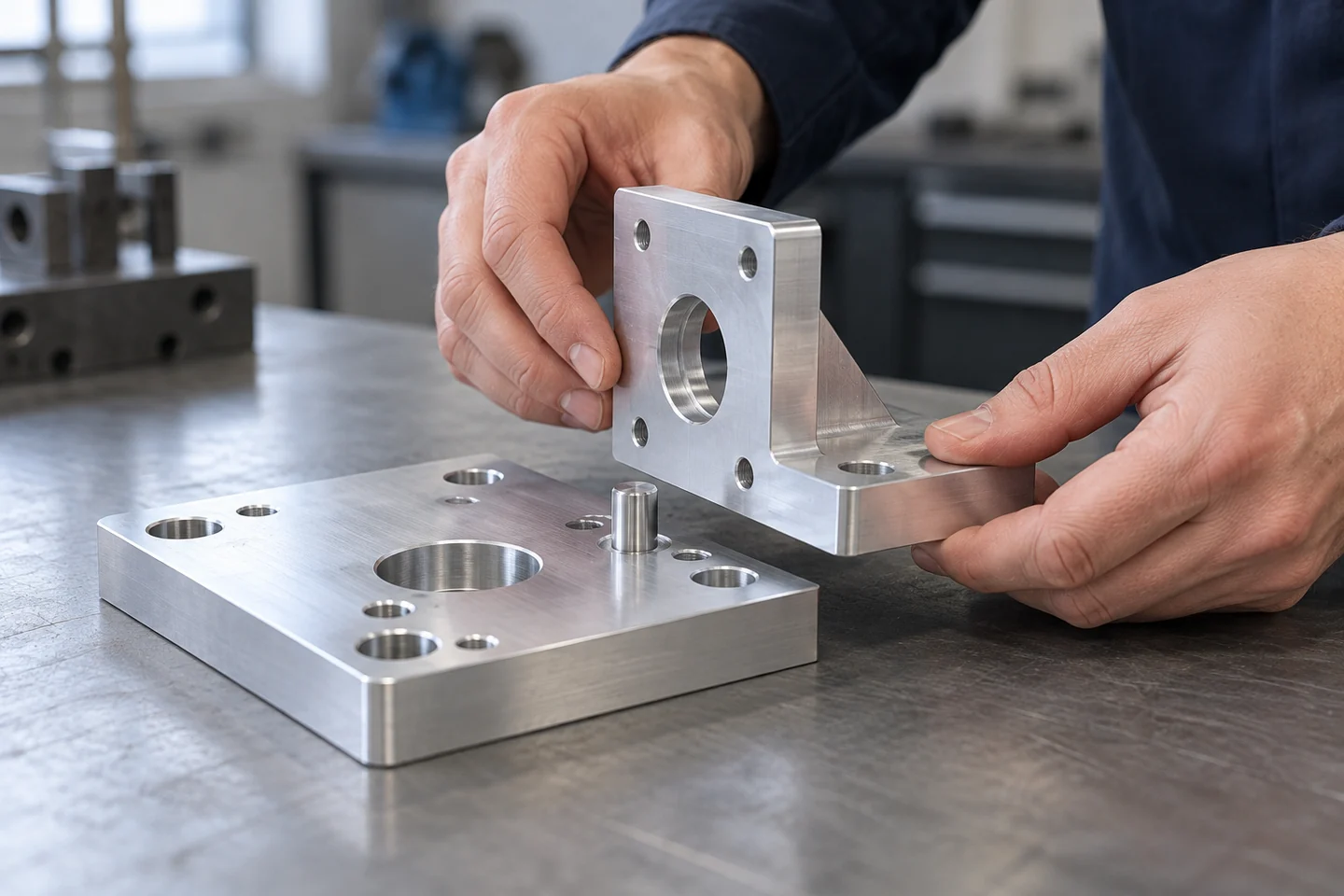
A flange can enter a mating assembly through clearance holes without establishing every hole's required position. Name the mating component used in the trial and retain the drawing-based checks specified for the flange. The circular hole-pattern guide explains why hole size, pattern location and clocking need separate attention.
The approval record should distinguish that trial from the completed dimensional and surface checks. If the sample uses an alternative mate or a temporary fixture, identify it so a later batch is not released against an unrecorded assembly condition.

Sample acceptance checks
| Check | Evidence to review | Record the decision |
|---|---|---|
| Identity | Part number, drawing revision, sample reference and quantity. | Confirm which configuration is being evaluated. |
| Material and finish | The agreed grade, condition, treatment and available records. | Record approved alternatives or unresolved differences. |
| Dimensions | Results for the features and limits agreed for acceptance. | Link results to the sample and measurement method. |
| Assembly fit | Checks using the agreed mating parts or fixture. | Record the setup, observations and any interference. |
| Function | Results from the agreed procedure, where required. | State the tested conditions and any untested requirements. |
| Appearance and handling | Cosmetic faces, edges and surface protection against the agreed criteria. | Identify defects or differences with photographs and references. |
| Open issues | Any deviation, missing record or requested design change. | Assign the next action before releasing production. |
Record the approval decision
- Identify the approval
- Keep the part and sample references, drawing revision, checks performed, supporting records and actual approver together.
- Record the decision
- Approved, approved with documented conditions, or not approved.
- Resolve open items
- List unresolved items and whether a revised sample is required. Agree the decision with the supplier.
- Review later changes
- Review drawing changes against the approved sample. Record which features need a new check or sample before releasing the revised part.
Release the batch as a separate decision
Batch release uses the approved configuration, quantity, sampling plan, required records, packing and schedule. A sample result covers the sample evaluated; subsequent parts need the agreed production checks. Changes in material, finish or route need confirmation before the batch starts.
Conditional approval needs a clear release boundary. A missing cosmetic reference, an unresolved fit and a required functional test can lead to different next actions. The written decision should say which work may proceed, which item remains on hold and what evidence closes that item.
When a revised sample is requested, identify the changed features and the earlier results that remain applicable. That gives the supplier a specific revision to produce and gives the receiving team a clear basis for the next evaluation.