
Pocketed aluminum housings
The cavity, internal mounting faces and surrounding rim determine how a pocketed housing fits together. Wall sections and any lid or gasket interface need their own requirements, separate from the cosmetic finish outside.
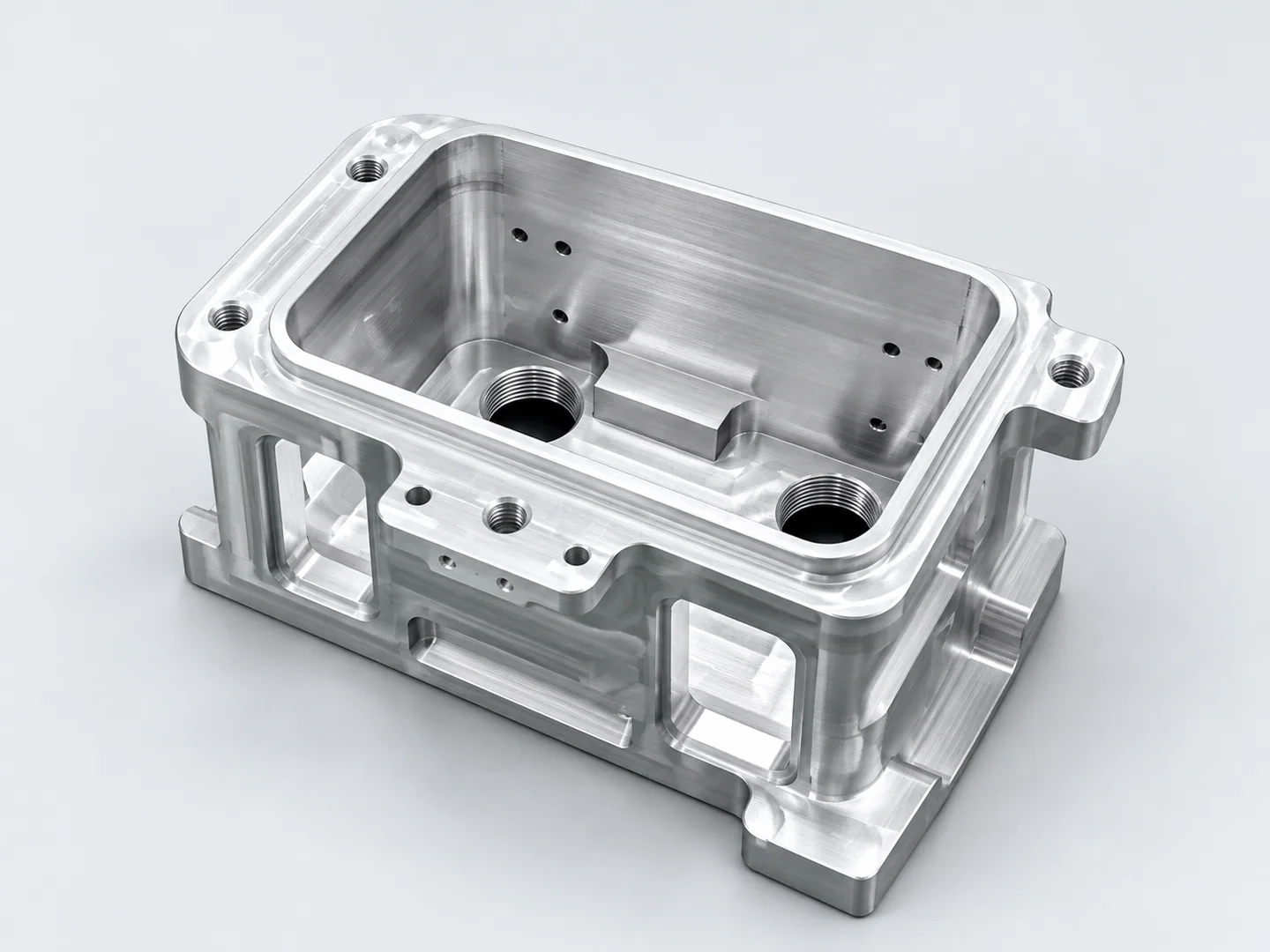
The cavity, mounting faces and closure rim
Pocket depths, wall thicknesses and internal locating surfaces define the housing. Where a lid or gasket is included, its mating geometry and closure acceptance requirements are also needed.
| Feature | Drawing requirements | Acceptance checks |
|---|---|---|
| Mounting & any sealing interface | Locate pockets and mounting features from assembly datums. Specify wall sections, flatness, hole-position limits, fitted bores and threads. Identify lid or gasket interfaces separately from cosmetic faces. For environmental sealing, include the required ingress-protection test and acceptance criteria. | Closure fit and separately specified environmental test. |
| Finish checks and batch reports | Mark cosmetic exterior surfaces, masked interfaces and dimensions to check after finishing. Specify reports for the first article and later batches, with quantities for each revision. Confirm the sample and inspection plan before ordering. | Appearance, masked fits and batch records. |
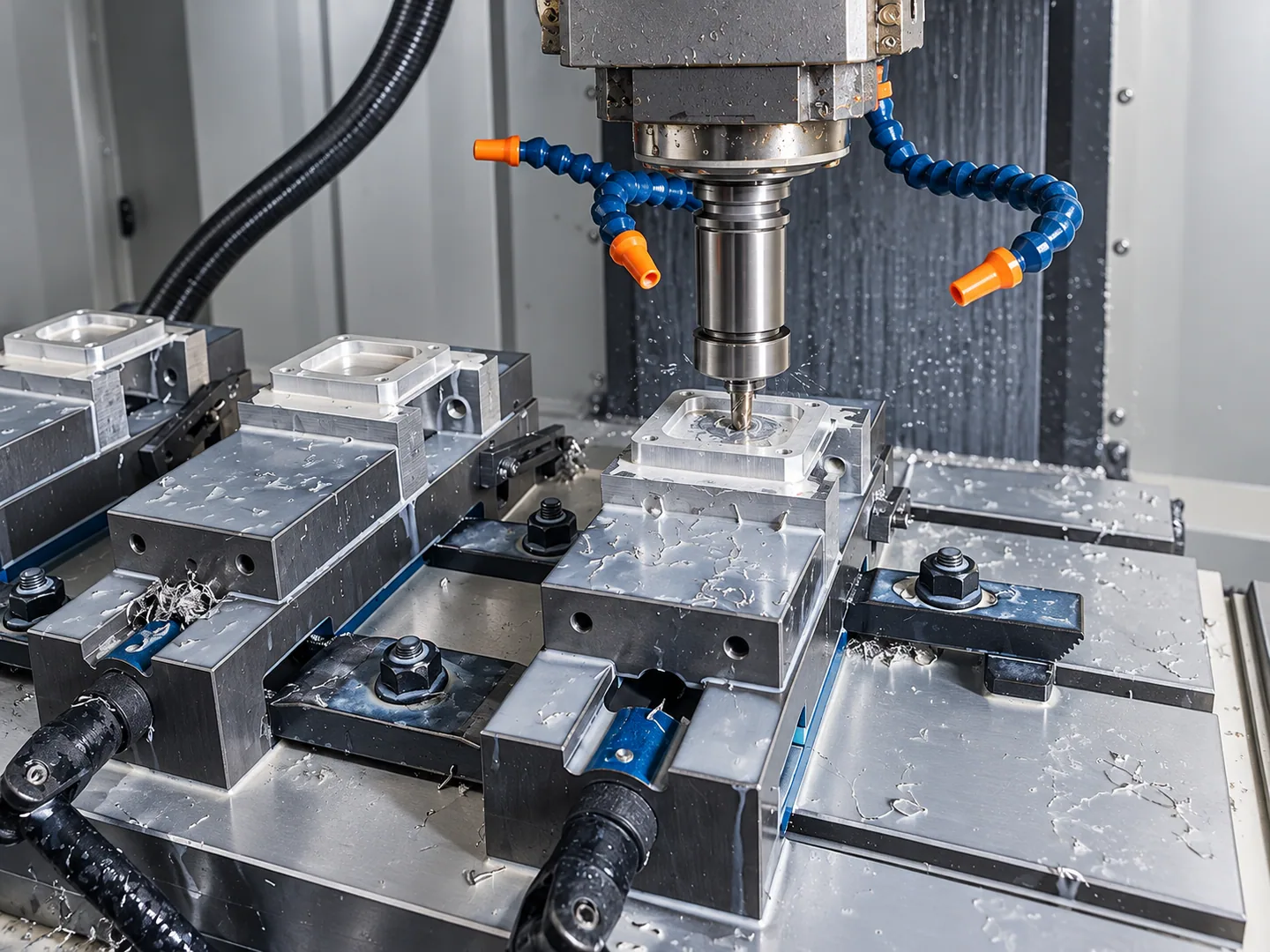
Opening the cavity while retaining the mating faces
We plan cavity machining to retain the specified floor, walls and rim. Stock condition, support and access to internal corners are reviewed together with the fitted bores and threads.
Identify the final treated condition of mounting and closure faces. Environmental sealing requires a defined assembly and test, including the required ingress-protection criteria where applicable.
The housing model guides CNC milling, stress-relief planning and controlled workholding for thin walls.
Industrial electronics and audio enclosures need controlled internal mounting and visible surfaces. Identify the closure, fit and environmental requirements on the drawing.
Related machining and part forms
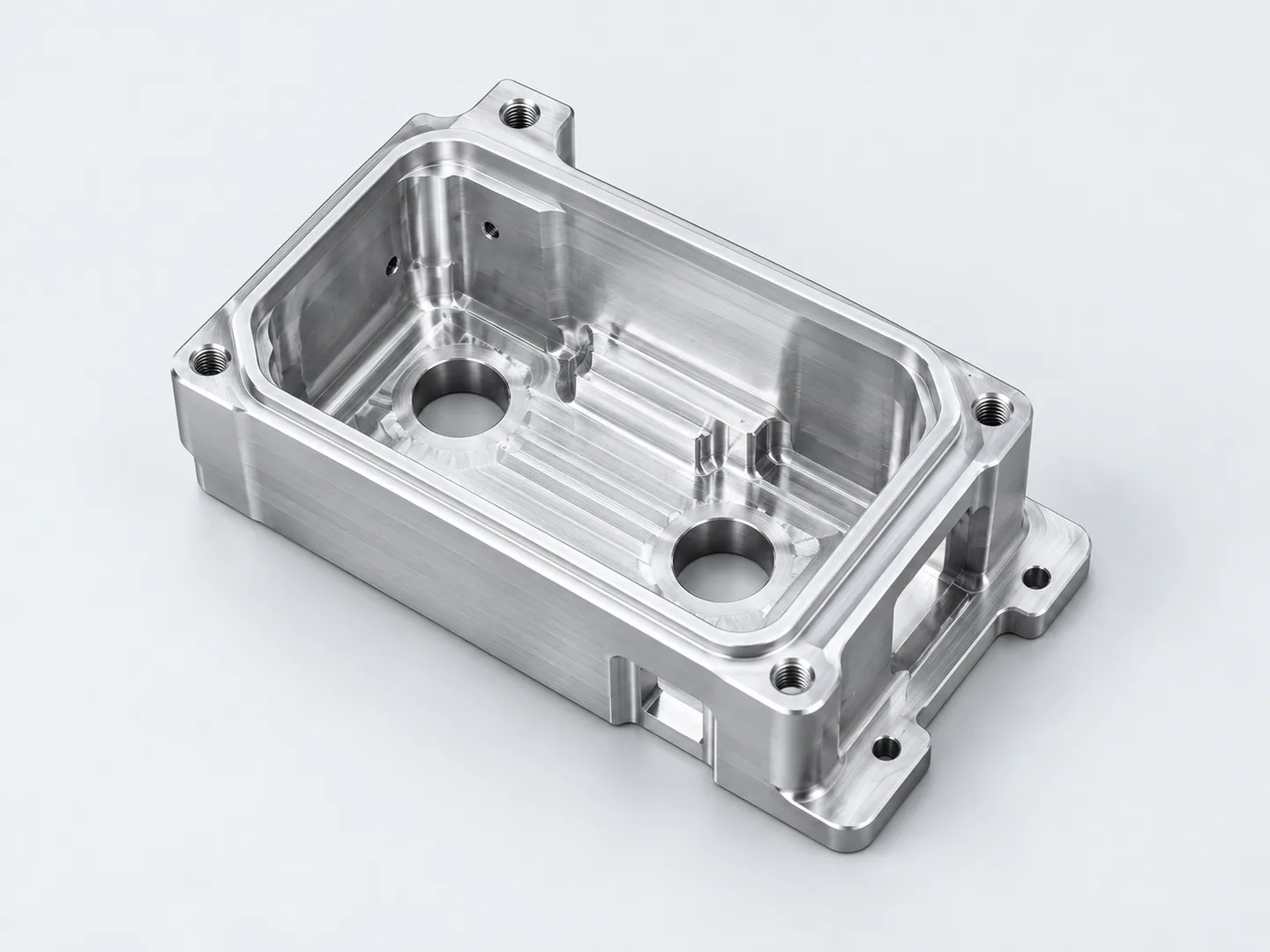
Open CNC machined aluminum enclosures
Open enclosures add side cutouts and projecting mounting ears. Pocketed housings focus on internal mounting and the specified closure interface.
Request a quote for your part
Order and release requirements
Each part number needs an approved revision, material condition, finish, release quantity and requested date, with shared interfaces and change authority identified. The order sets first-article checks, later sampling, traceability and nonconforming-part handling. Forecast demand stays separate from firm release quantities.
- Housing & mating definitionControlled model, stock assumptions, alloy/temper, pockets and mounting datums, and any required lid or gasket interfaces.
- Finish & acceptanceFinish specification, protected fits and visible faces, required environmental testing and reports, quantity per revision and delivery destination.
Tell us how the part will be accepted, including measurement methods, its condition at inspection, sampling and report format.