
What affects CNC machining cost?
A small part can cost more to machine than a larger, simpler one because it needs more setup, cutting or inspection work. Compare quotes with finishing and delivery included in the scope.
On this page
What a CNC machining quote includes
The price covers the specified part at the requested quantity. Programming and some preparation can be shared across a batch, while cutting and checking repeat on each component. This is one reason a prototype can cost more per piece than a larger order.
Preparation, production and delivery may appear in one unit price or as separate charges. Check the scope in either format.
| Cost element | What the work involves | What to check |
|---|---|---|
| Process preparation | Reviewing the files, planning operations, programming, selecting tools and preparing workholding. | Which charges apply to this order, and what would need review for a repeat? |
| Stock and material | Obtaining the specified grade, condition and stock form, with machining allowance. | Are material records and any approved alternatives included? |
| Machining | Removing material, changing tools, loading parts and completing the required setups. | Which features or access restrictions drive the work? |
| Inspection and finish | Checking specified features, preparing records and completing the surface treatment. | What is checked, at which stage, and against which acceptance limits? |
| Packing and transport | Protecting the parts and arranging the agreed shipment and documents. | What is included in the delivery basis, and which costs remain with the buyer? |
Penta Precision’s machining cost guide also explains the relationship between setup, quantity and price.
Separate a lower unit price from a lower order total
For a quotation that lists setup separately, the comparison is order total = quoted setup + quantity × unit price + other separately listed charges. Add only charges that are outside the unit price. If programming or finishing is already included, counting it again overstates the order cost.
Use the quantity you intend to release, not a forecast batch that has not been ordered. A larger lot may spread preparation across more pieces while committing you to a different total purchase and production route. The quotation comparison guide helps identify whether two offers cover the same finished work.
Setup costs on a prototype and a batch
Even one component needs a program, cutting tools, workholding and an inspection plan. A single-piece order carries that preparation cost on its own. In a batch, suitable shared preparation can be spread across more pieces.
More pieces do not produce a uniform discount. A larger quantity may justify a different fixture, stock purchase, loading method, sampling plan or machining route. Each change has a preparation cost that needs to suit the volume.
Request prices for the quantities you plan to order
If you are considering 1, 10 and 50 pieces, ask for those quantities against the same released design. They are comparison quantities, not price estimates. Keep material, final finish and inspection scope consistent so the difference tells you something about production volume.
State the prototype quantity and any forecast batch separately. Request a price for each release, with its approval requirements and schedule. The prototype and repeat-production guide explains what carries forward after sample approval.
A repeat order still needs a scope check
An unchanged drawing can make earlier preparation useful again. Confirm the revision, material condition, fixture availability and required records before assuming a setup charge disappears. A revised bore, a different treatment or a changed acceptance requirement can affect the process even when the overall shape looks the same.
How geometry and setups change the work
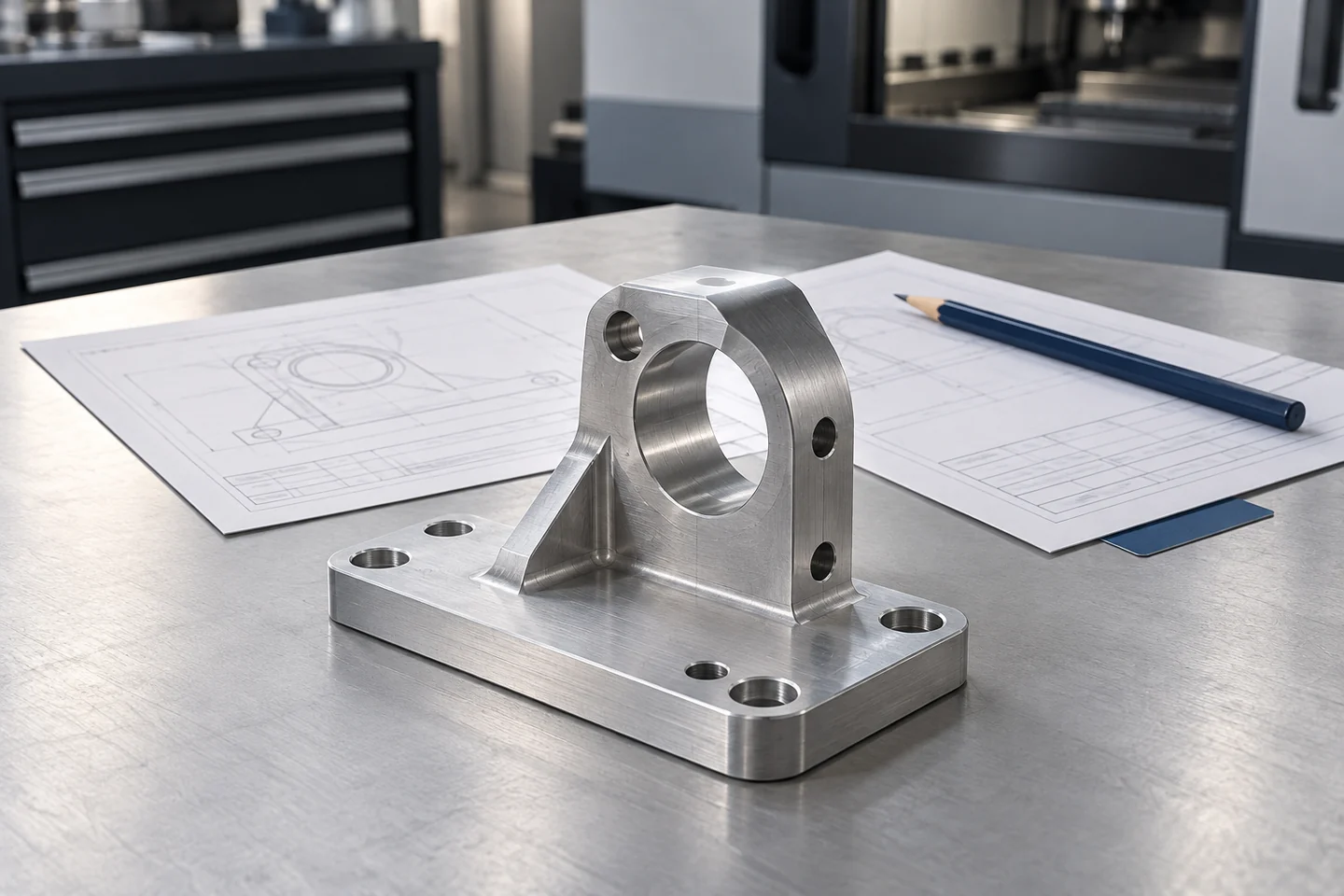
A compact block with a deep recess and features on several faces can need more preparation than a larger plate with accessible holes. Cutter reach and the surfaces available for clamping matter alongside outside dimensions.
Depth, corners and the material left behind
A pocket needs a cutter that can reach its floor and corners. Restricted access may require a smaller or longer tool, additional passes or a different sequence. Thin remaining walls also need support during machining and a defined condition for inspection.
Review the depth and radius together. If a mating component only needs clearance at a corner, a permitted relief may be worth discussing. Its effect on strength, sealing and assembly still belongs in the design review. Protolabs’ cost-reduction guidance explains the connection between small tools, thin walls and difficult pockets.
Repositioning is a machining operation too
A face hidden by the first holding arrangement may need a second setup. The part must be located again, supported and checked against the features already made. Where a bore or hole pattern connects the two orientations, the datum scheme becomes part of that work.
Fewer setups can reduce handling, but a more elaborate fixture or machining strategy may take longer to prepare. Compare the complete sequence, especially for a single prototype, to see whether the change lowers the total price.
Locating and inspection costs across two milling setups
The two-stage milling study records two operations on one component. On a new part, repositioning can add locating, clamping and inspection work. Mark the dimensions that connect features across faces so the supplier can assess that work.
Ask whether an allowed design change improves access or removes a setup, and identify the cross-setup dimensions that still need inspection. Request a revised quotation against the changed drawing to compare the cost.


Apply precision where the enclosure needs it
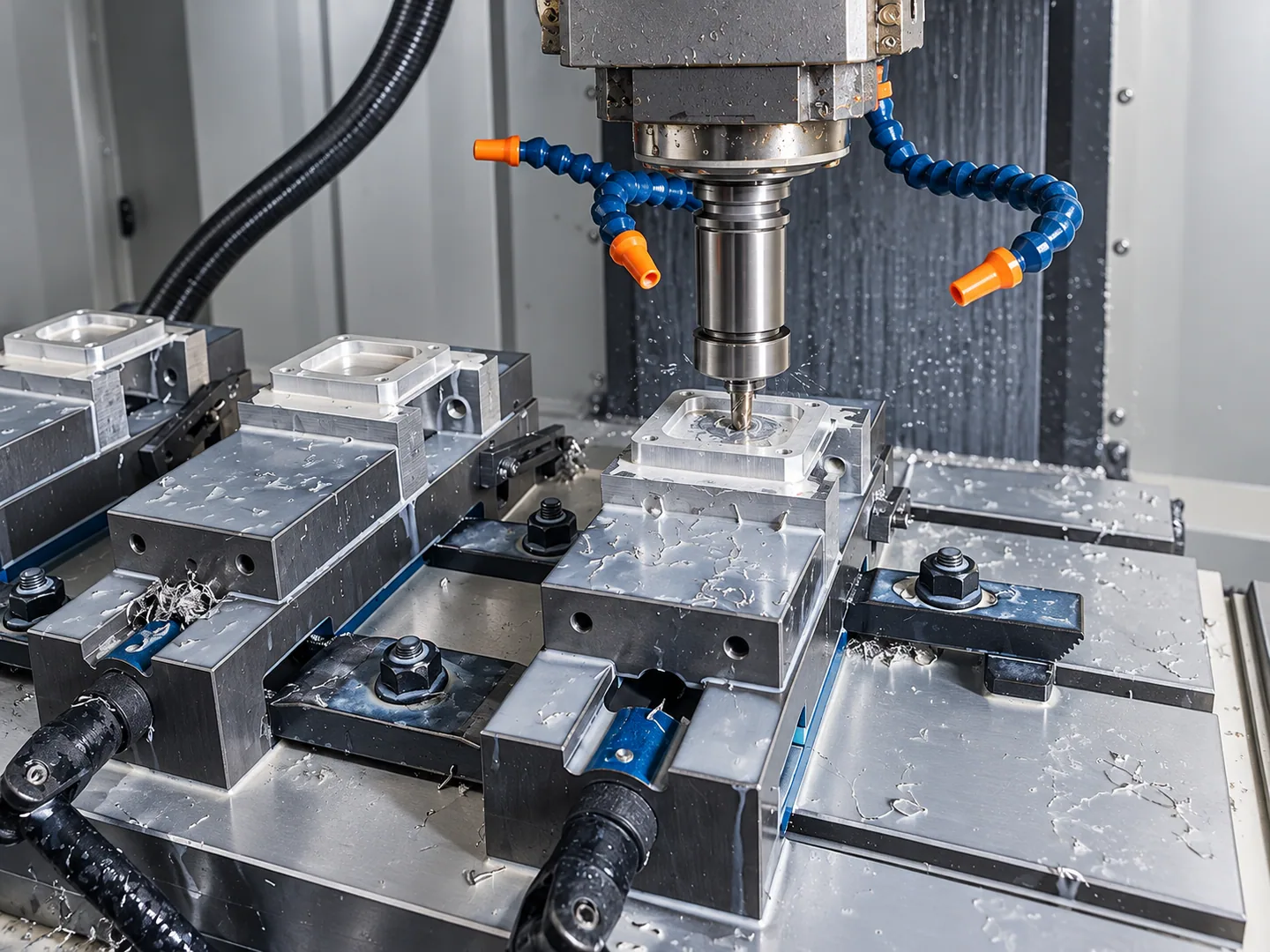
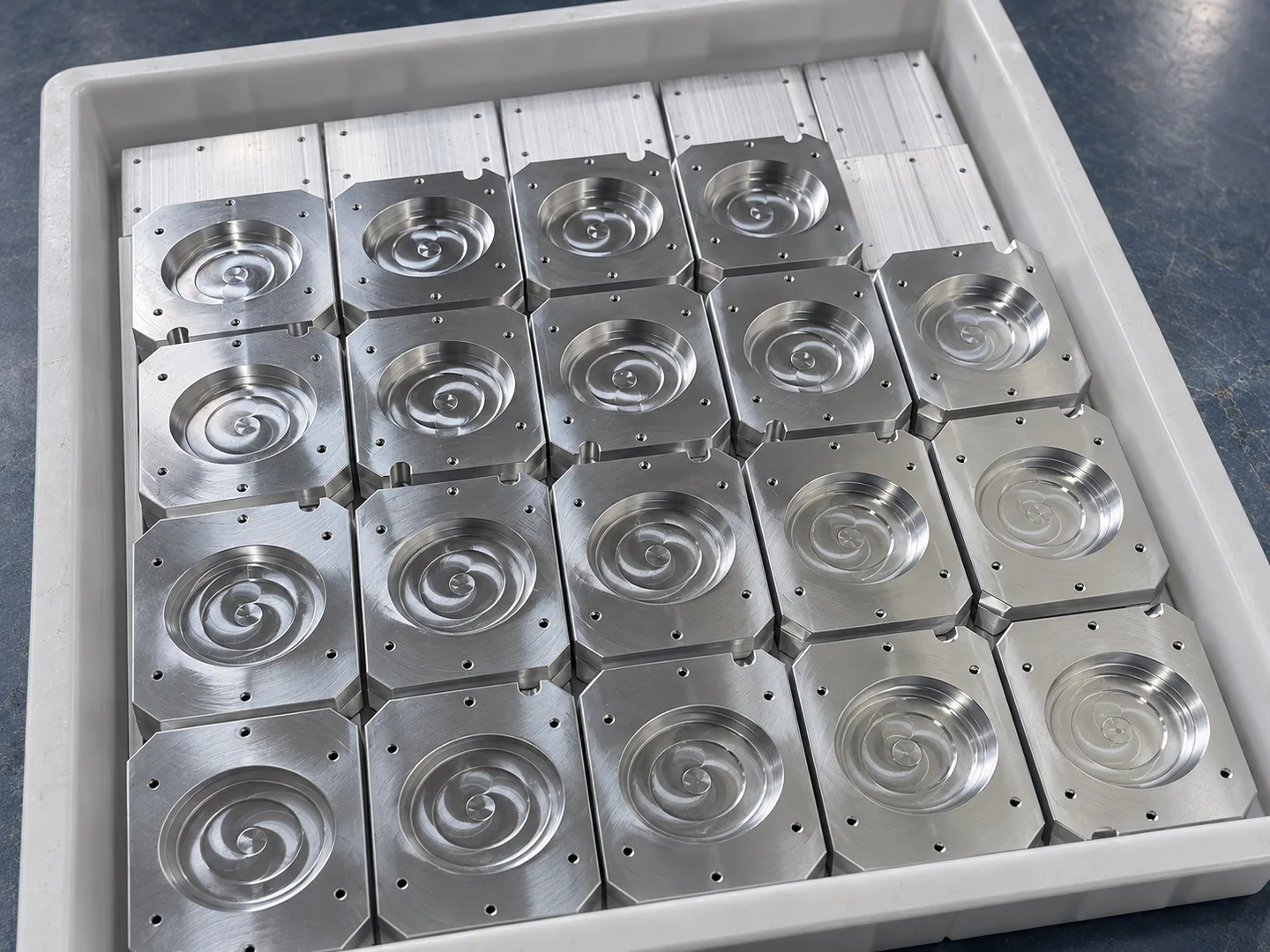
In the pocketed enclosure study, the recess leaves walls and mounting features around it. For a new part of this form, identify where the mating component fits and which faces need a controlled finish.
A sealing interface, a clearance pocket and a visible outside face can need different acceptance criteria. The design review should separate functional requirements from appearance so the most demanding finish or tolerance is applied only where needed.
For a CNC aluminum enclosure, useful cost alternatives identify a particular corner, wall or access restriction. A revised quote can then price the approved geometry change while preserving the lid, mounting and sealing requirements that must stay fixed.
A cylindrical part can need a second process
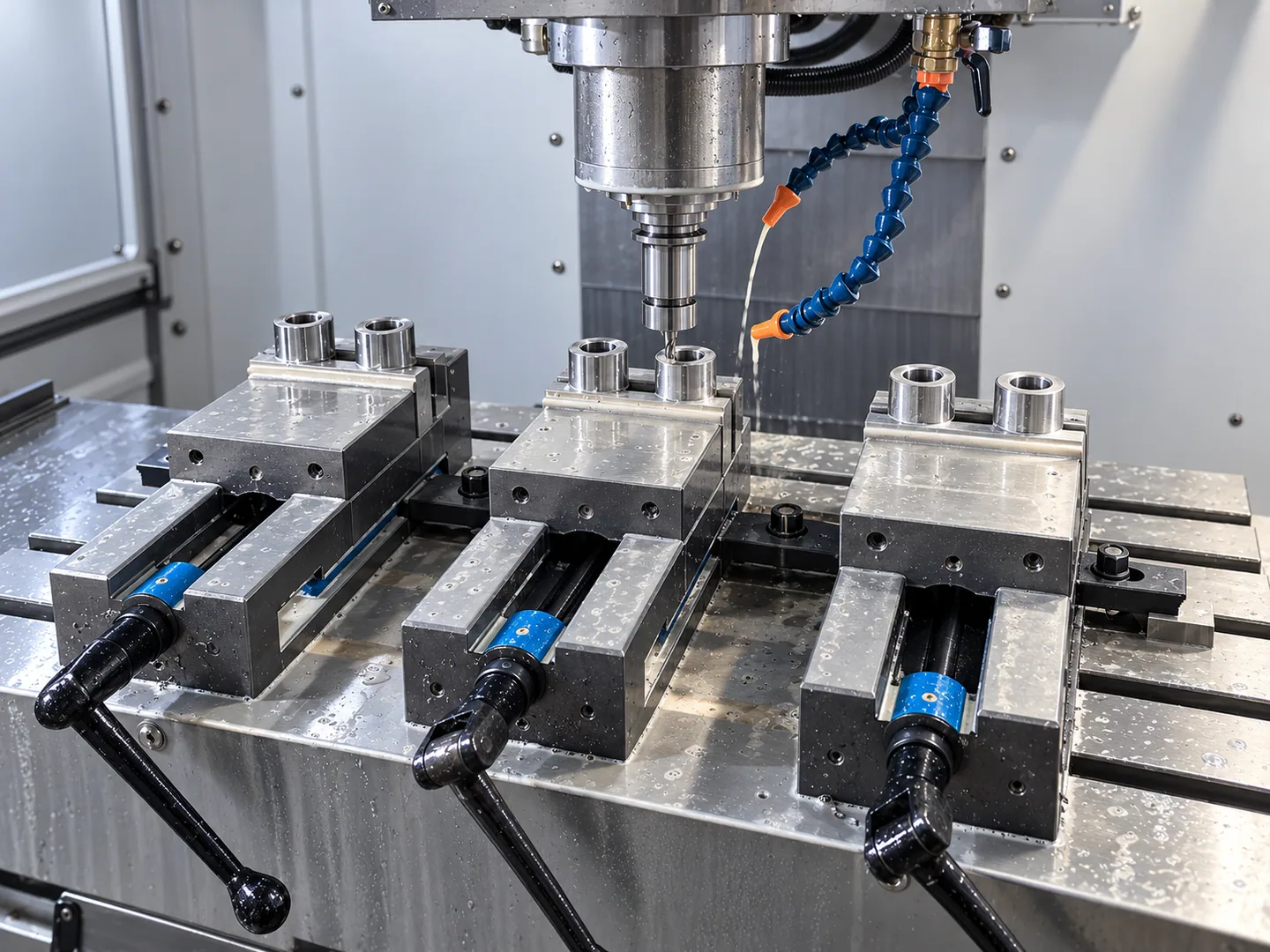
A cylindrical component may have turned diameters plus a flat, slot or off-axis feature. The turning followed by milling study shows why the quotation needs to cover the secondary work and its relationship to the axis.
Send the complete component model and drawing for quotation. A round outside profile still needs its off-axis features and assembly interfaces included in the machining scope.
Material cost includes more than the finished weight
A machined part starts with stock large enough to hold and cut. A lightweight finished housing can therefore begin with substantially more material than remains in the component. Stock dimensions, machining allowance and the surfaces used for clamping all belong in the route review.
The exact grade and condition also matter. A comparison between two material names is incomplete if it ignores required strength, exposure, electrical function, temperature or the final treatment. Use the material and finish guide to keep those requirements together.
Discuss an alternative against the part’s function
A proposed material change needs to satisfy the design and procurement requirements. Ask the supplier to quote the specified option and identify an alternative separately, with its designation and condition. That keeps an apparent saving from hiding a change in the part you are buying.
For a machined casting, the starting point is different again. Blank condition, allowance, locating surfaces and responsibility for supplying the casting must be clear. The casting-machining service sets out that review.
The cost of tolerances and inspection
A tolerance defines an acceptable result. The supplier then needs a process and measurement method suited to that requirement. A close-fitting bore, a hole pattern located from another face and a cosmetic surface can require different checks.
Start with the function. Identify the dimensions and relationships that control fit, sealing, location or movement. The responsible design engineer can then review requirements on the remaining features. Relaxing a nonfunctional limit is a design decision that needs approval before the files change.
Surface texture and size answer different questions
Surface roughness controls texture; size tolerance controls the dimensional range. Mark both on the relevant working faces and state whether acceptance applies after treatment.
The critical drawing features guide connects those requirements to measurable features. In the quote, also identify the results that need to be recorded, the report format and the sampling scope.
A report needs an agreed scope
Checking a few dimensions for an assembly trial and producing an agreed feature-by-feature report involve different deliverables. State the required records while the part is being quoted. Ask about measurement methods and available documentation before the order, so the price and acceptance plan describe the same work.
Include finishing, protection and delivery
Anodizing, plating, passivation, blasting or polishing adds work after the main cutting operations. Treatment specification, appearance references, masked areas and handling requirements affect what needs to be arranged and checked.
Mark mating bores, threads and contact faces for treatment or protection. State whether dimensions are accepted before or after finishing and agree the allowance for the specified process.
Quote the condition in which you need to receive the parts
A finished sealing face or cosmetic surface may need separation and protection in the pack. Labels, part identification and required documents also need to match the receiving process. The packing and international shipping checklist helps define that scope.
Keep the production schedule separate from transit. Give the destination and required arrival date, then check the quoted shipping basis, named place and responsibilities for freight, clearance, duties and taxes. A low unit price can be an incomplete comparison when those items differ.
How to reduce CNC machining cost while keeping the function
Ask which features add work and which design details could change without affecting function. Any separately quoted alternative should identify the change so you can compare it with the original requirements.
| Review area | Question worth asking | Requirement to retain |
|---|---|---|
| Access and setups | Would a permitted design or orientation change simplify tool access? | The required relationships between features and the assembly interfaces. |
| Pocket and corner geometry | Can a radius, relief or depth be adjusted where function allows? | Clearance, remaining section, sealing and any defined load requirements. |
| Tolerances and texture | Which limits are necessary on the working surfaces? | The approved fit, function and measurable acceptance criteria. |
| Material and finish | Is there a separately quoted alternative that meets the specification? | The approved grade or functional requirements, final condition and records. |
| Quantity and repeat orders | Which realistic order sizes change the preparation or fixture choice? | The same released design and the required batch checks. |
Keep the proposed change, revised files and quotation reference together. If a saving comes from removing an inspection record or changing a treatment, make that change visible in the comparison. The quotation comparison guide covers the purchasing checks once you have prices to compare.
For a first discussion, the current model, controlled drawing, material, final finish and realistic quantities give the review a clear starting point. Add critical features, required records and destination using the RFQ checklist.
CNC machining price questions
Can I estimate a part price from a CNC hourly rate?
An hourly rate helps only when you also know the relevant machining time and what the rate includes. Programming, fixtures, inspection, treatment and delivery may be priced separately. A drawing-based quotation gives those assumptions a part-specific scope.
Why do two suppliers quote different prices for the same part?
They may propose different routes or include different work. Compare the revision, material condition, quantity, finish, inspection, setup charges and delivery basis first. Ask for exceptions in writing so the price difference can be understood.
Should a repeat order have the same price as the prototype?
It needs its own quotation. Quantity and reusable preparation can change, as can material, finish, inspection and delivery requirements. Refer to the approved revision and ask which earlier preparation remains applicable.
Can I request a budget before the design is finished?
A preliminary estimate may be possible from the part function, approximate geometry, material options and likely quantities. Identify unresolved decisions and record the estimate’s assumptions. The price needs another check once the drawing and order scope are confirmed.